
Holding Property Owners Accountable in Premises Liability Cases
Understand the legal standards that determine fault in unsafe property claims.
At Injury Rights Law Firm, premises liability cases are handled with the understanding that accountability is often contested from the very beginning. When someone is injured on unsafe property, property owners and insurers frequently dispute responsibility, minimize hazards, or attempt to shift blame to the injured person. Establishing fault requires careful investigation, legal clarity, and disciplined preparation.
Premises liability law exists to protect people from preventable harm. When property owners fail to maintain safe conditions, injuries can occur that permanently alter health, independence, and financial stability.
The Duty of Property Owners
Property owners and operators have a legal duty to maintain their premises in a reasonably safe condition. This duty applies to a wide range of properties, including commercial buildings, residential complexes, parking areas, and public spaces.
While the exact scope of duty may vary depending on the circumstances, property owners are generally expected to:
- Identify hazardous conditions
- Repair or correct unsafe conditions
- Warn visitors of known dangers
- Conduct reasonable inspections and maintenance
When these responsibilities are ignored, liability may arise.
What Makes Premises Liability Claims Challenging
Unlike some injury cases, premises liability claims often hinge on subtle factual details. Property owners frequently argue that they were unaware of the hazard or that the injured person should have avoided it.
Common defenses include:
- Claiming the hazard was open and obvious
- Arguing lack of notice or knowledge of the condition
- Suggesting the injured person acted carelessly
- Minimizing the seriousness of the condition
These arguments make preparation essential. Without evidence, unsafe conditions can be dismissed as unavoidable accidents.
Establishing Fault in Unsafe Property Claims
To hold a property owner accountable, it must typically be shown that:
- A dangerous condition existed
- The property owner knew or should have known about it
- Reasonable steps were not taken to correct or warn of the hazard
- The unsafe condition caused the injury
Each element must be supported by evidence. Assumptions are not enough.
The Role of Evidence and Documentation
Dangerous property conditions are often temporary. Spills are cleaned, lighting is fixed, and repairs are made shortly after an incident. Once conditions change, proving how an injury occurred becomes more difficult.
Early documentation may include:
- Photographs or videos of the condition
- Incident reports or maintenance records
- Surveillance footage
- Witness statements
- Prior complaints or inspection reports
Without timely evidence, property owners may deny that a hazard ever existed.
Serious Injuries Are Often Overlooked
Premises liability cases are sometimes dismissed as minor slip-and-fall claims. In reality, unsafe property conditions can cause catastrophic injuries, particularly for older individuals or those struck by falling objects.
Serious injuries may include:
- Traumatic brain injuries
- Spinal injuries and fractures
- Permanent mobility limitations
- Long-term medical and rehabilitation needs
Insurance companies may focus on how the fall occurred rather than the lasting harm caused. Proper preparation ensures the injury itself is fully evaluated.
A Disciplined Legal Approach
At Injury Rights Law Firm, premises liability cases are prepared with the expectation that they may be challenged aggressively. Preparation focuses on uncovering facts, preserving evidence, and clearly demonstrating responsibility.
Case development often includes:
- Investigating property maintenance and inspection practices
- Reviewing safety policies and procedures
- Identifying code violations or safety failures
- Consulting experts when necessary
- Fully documenting the impact of the injury
This approach helps counter attempts to minimize or deny responsibility.
Selectivity Protects Case Quality
Not every injury on someone else’s property results from negligence. Our practice is intentionally selective.
We focus on premises liability cases where:
- Unsafe conditions can be clearly identified
- Injuries are serious
- Evidence supports a failure to maintain safe property
- Full preparation is warranted
This selectivity allows for careful handling and responsible litigation.
Moving Toward Accountability
Premises liability cases are about more than compensation. They are about responsibility and prevention. Holding property owners accountable encourages safer environments and reduces the risk of future harm.
If you or a loved one has suffered serious injury due to unsafe property conditions, Injury Rights Law Firm offers an opportunity to determine whether your case warrants further evaluation. Speaking with the firm is a first step toward understanding your rights and whether accountability can be pursued responsibly.
Bill Flanigan Sworn In as Justice of the West Virginia Supreme Court of Appeals
Independent coverage of Justice Bill Flanigan’s WV Supreme Court of Appeals swearing-in ceremony, including introductory remarks by George N. Sidiropolis.
JUL 31, 2026

When Insurance Delays Become Unreasonable: Knowing When to Question Your Claim
Understanding the difference between legitimate claim investigation and unfair delay can help policyholders protect their right to full compensation.
JAN 20, 2026
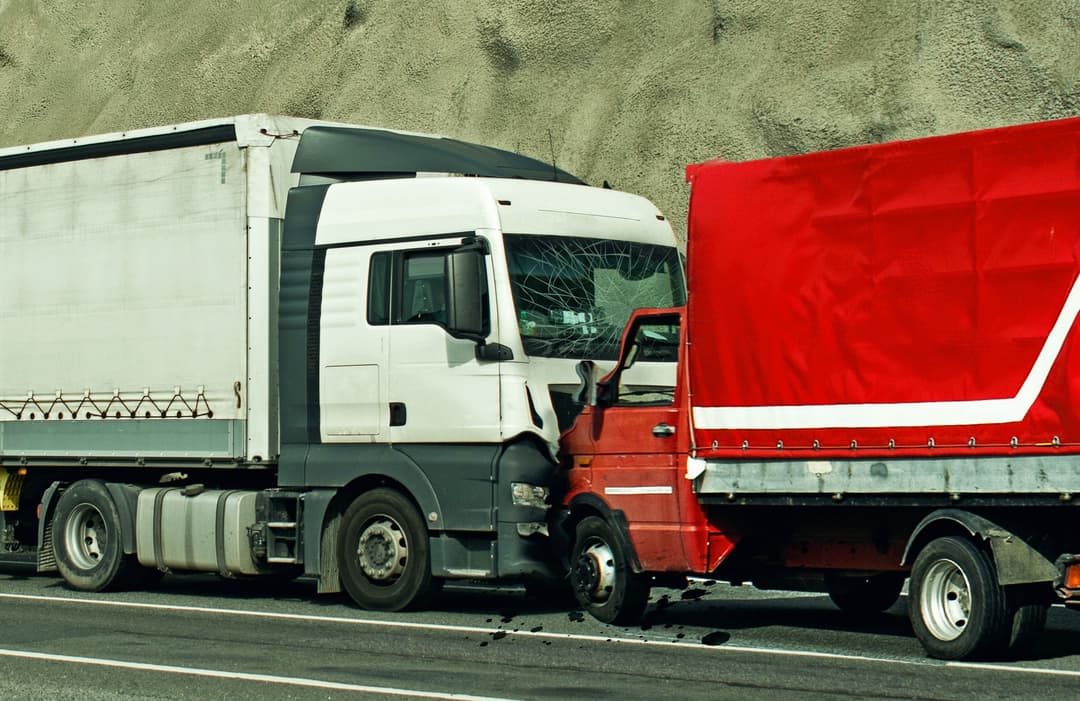
Understanding Liability in Commercial Trucking Accidents
When multiple companies share responsibility for a trucking operation, determining fault can be complex. This article examines how carrier agreements, federal safety regulations, maintenance records, and driver logs intersect in catastrophic crash litigation, shaping liability and influencing settlement strategy.
JAN 20, 2026
Ready to Discuss Your Case?
Reaching out after a serious injury or loss can feel overwhelming.
This form is simply a first step. We will tell you honestly whether we can help.