
Insurance Bad Faith and Unfair Claims Practices
Insurance bad faith claims arise when insurers delay, deny, or underpay valid claims.
Insurance policies are intended to provide security during moments of loss, injury, or crisis. Policyholders pay premiums with the expectation that coverage will be honored when it is needed most. Too often, however, insurance companies place profit protection ahead of fair claim handling, leaving individuals and families facing unnecessary financial and emotional strain.
Insurance bad faith and unfair claims practices occur when insurers fail to meet their legal obligations to policyholders. These cases are not about simple disagreements over coverage. They involve conduct that undermines the purpose of insurance itself.
Understanding Insurance Bad Faith
Insurance bad faith can take many forms. While every claim is different, unfair practices often involve patterns of conduct designed to discourage or reduce payment rather than fairly evaluate the claim.
Examples of potentially unfair claims practices include:
- Unreasonable delays in investigating or paying claims
- Denying claims without adequate explanation or investigation
- Misrepresenting policy terms or coverage provisions
- Failing to communicate promptly or clearly with policyholders
- Offering settlements that do not reflect the value of the loss
These practices create an imbalance of power, particularly when policyholders are already dealing with injury, loss, or financial pressure.
Why These Cases Are Different
Insurance companies are sophisticated institutions with internal systems, guidelines, and incentives that shape how claims are handled. Adjusters and claims managers are trained to evaluate risk and exposure, not to advocate for policyholders.
When claims are mishandled, the harm extends beyond financial loss. Delays and denials can prevent access to medical care, disrupt recovery, and place families under extreme stress.
Bad faith cases require a deep understanding of:
- Insurance policy language and coverage obligations
- Claims handling standards and timelines
- Internal insurer procedures and decision-making
- Applicable West Virginia insurance laws and regulations
Without careful preparation, insurer misconduct may never come to light.
Our Approach to Insurance Bad Faith Claims
At Injury Rights Law Firm, we investigate how claims were handled—not just whether coverage exists. Our focus is on uncovering conduct that violates the duty insurers owe to their policyholders.
Our preparation often includes:
- Detailed review of the insurance policy and claim history
- Examination of communications between the insurer and policyholder
- Identification of unreasonable delays, denials, or shifting explanations
- Evaluation of internal insurer conduct when available
- Development of evidence supporting accountability under West Virginia law
We approach these cases with the expectation that they may be litigated fully. That mindset influences how evidence is preserved, analyzed, and presented.
Accountability Under West Virginia Law
West Virginia law recognizes that insurance companies have obligations beyond simply issuing policies. When insurers act unfairly or in bad faith, they may be held accountable for the harm caused.
Pursuing these claims requires discipline and patience. Insurance companies rarely concede wrongdoing voluntarily. They defend these cases aggressively, often relying on complexity and delay to discourage policyholders from continuing.
Preparation changes that dynamic.
Selectivity Is Essential
Not every insurance dispute rises to the level of bad faith. Our practice is intentionally selective.
We focus on cases where:
- The insurer’s conduct raises serious concerns
- Evidence supports unfair or unreasonable claims handling
- The consequences of misconduct are significant
- Litigation is warranted to pursue accountability
This selectivity allows us to devote the necessary attention and resources to matters where insurer conduct justifies legal action.
What Policyholders Can Expect
An initial conversation is focused on understanding how the claim was handled and whether further investigation is appropriate.
During that conversation, we will:
- Listen carefully to your experience with the insurer
- Review key claim details and communications
- Explain how bad faith claims are evaluated under West Virginia law
- Provide an honest assessment of whether the matter warrants further action
There is no pressure to proceed. Not every case moves forward, and not every dispute should.
Restoring Balance
Insurance bad faith cases are about restoring balance when power is misused. When insurers are held accountable, it reinforces the principle that coverage must be honored fairly and responsibly.
If your insurance company has delayed, denied, or underpaid a legitimate claim, speaking with Injury Rights Law Firm is an opportunity to determine whether your situation warrants the level of preparation and accountability these cases demand.
Insights from
the Field
Legal updates and educational articles for clients and referring attorneys.
FEB 13, 2026
February 2026 Luncheon
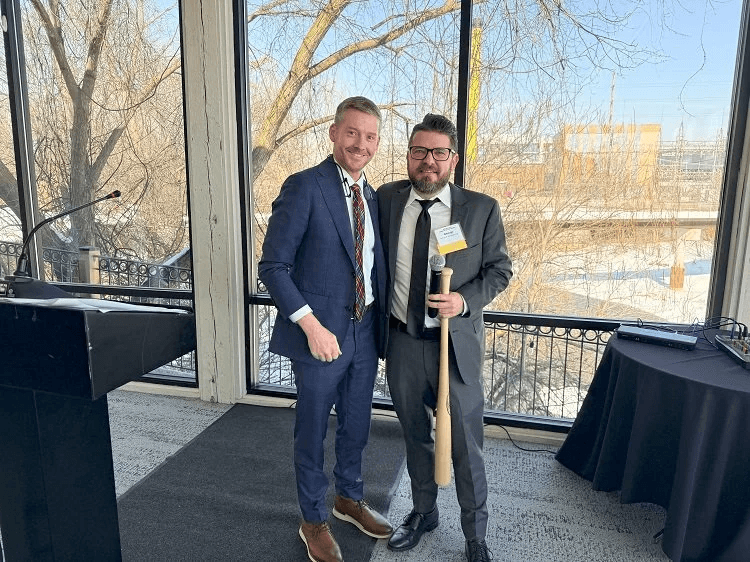
Injury Rights Law Firm joined fellow members of the Central Ohio Association for Justice at the February 2026 Membership Luncheon, an event focused on strengthening advocacy within the legal community. The gathering highlighted professional collaboration, recognition of dedicated advocates, and ongoing dialogue about the role of the judiciary and the pursuit of justice. View the gallery to see moments from this meaningful event.
Bill Flanigan Sworn In as Justice of the West Virginia Supreme Court of Appeals
Independent coverage of Justice Bill Flanigan’s WV Supreme Court of Appeals swearing-in ceremony, including introductory remarks by George N. Sidiropolis.
JUL 31, 2026

When Insurance Delays Become Unreasonable: Knowing When to Question Your Claim
Understanding the difference between legitimate claim investigation and unfair delay can help policyholders protect their right to full compensation.
JAN 20, 2026

Understanding Liability in Commercial Trucking Accidents
When multiple companies share responsibility for a trucking operation, determining fault can be complex. This article examines how carrier agreements, federal safety regulations, maintenance records, and driver logs intersect in catastrophic crash litigation, shaping liability and influencing settlement strategy.
JAN 20, 2026
Ready to Discuss Your Case?
Reaching out after a serious injury or loss can feel overwhelming.
This form is simply a first step. We will tell you honestly whether we can help.