
Premises Liability and Dangerous Property Conditions
Dangerous property conditions can cause serious injuries and require investigation to establish responsibility.
Property owners and operators have a duty to maintain their premises in a reasonably safe condition. When that duty is ignored, hazardous conditions can develop and cause serious injury to visitors, customers, tenants, or guests. Premises liability cases arise when injuries occur because unsafe conditions were allowed to exist—or were never properly addressed.
These cases are rarely straightforward. Property owners and insurers often dispute responsibility, argue that hazards were open and obvious, or claim that injured individuals were at fault. Without careful investigation and documentation, accountability can be difficult to establish.
Understanding Dangerous Property Conditions
Dangerous property conditions can take many forms and may exist in commercial, residential, or public spaces. These hazards are often preventable and frequently known to property owners before an injury occurs.
Common dangerous conditions include:
- Wet or slippery floors
- Uneven walkways, stairs, or pavement
- Poor lighting in hallways or parking areas
- Unsafe handrails or staircases
- Falling objects or unsecured fixtures
- Structural defects or maintenance failures
While these hazards may seem minor at first glance, they can result in catastrophic injuries when left unaddressed.
Why Premises Liability Claims Are Challenged
Premises liability cases are often aggressively defended. Property owners and insurers frequently attempt to shift blame away from unsafe conditions and onto the injured person.
Common defenses include:
- Arguing the hazard was not dangerous
- Claiming the condition was obvious and avoidable
- Asserting the property owner had no notice of the hazard
- Suggesting the injured person acted carelessly
These defenses make preparation critical. Liability often depends on what the property owner knew—or should have known—and whether reasonable steps were taken to address the risk.
The Importance of Early Evidence Preservation
Dangerous conditions are often temporary. Spills are cleaned. Repairs are made. Lighting is replaced. Once conditions change, proving how and why an injury occurred becomes more difficult.
Early investigation allows for:
- Documentation of the condition before it is altered
- Identification of maintenance failures or code violations
- Collection of incident reports or surveillance footage
- Evaluation of prior complaints or similar incidents
Without this evidence, claims can be significantly weakened.
Our Approach to Premises Liability Cases
At Injury Rights Law Firm, we approach premises liability cases with careful attention to detail. We understand that responsibility is often contested and that evidence must be developed deliberately.
Our preparation typically includes:
- Thorough investigation of the property and surrounding conditions
- Preservation and review of photographs, videos, and records
- Evaluation of maintenance practices and safety procedures
- Analysis of applicable safety standards and regulations
- Full development of injury-related damages
We prepare these cases with the expectation that they may ultimately be presented to a jury.
Serious Injuries Require Serious Evaluation
Premises liability incidents can result in far more than minor injuries. Falls and other accidents on unsafe property frequently lead to:
- Traumatic brain injuries
- Spinal injuries and fractures
- Permanent mobility limitations
- Long-term medical treatment and rehabilitation
Insurance companies often attempt to minimize these injuries by focusing on how the incident occurred rather than the harm caused. We work to ensure that the full impact of the injury is recognized.
Selective Representation Matters
Not every premises incident supports a viable claim. Our practice is intentionally selective.
We focus on premises liability cases where:
- Injuries are serious
- Dangerous conditions can be clearly identified
- Evidence supports a failure to maintain safe property
- Full preparation is warranted
This selectivity allows us to devote the necessary time and resources to cases that demand careful handling.
What to Expect From an Initial Conversation
An initial conversation focuses on understanding how the injury occurred and whether further investigation is appropriate.
During that conversation, we will:
- Listen carefully to your account of the incident
- Ask questions about the property and conditions involved
- Explain how premises liability claims are evaluated under West Virginia law
- Provide an honest assessment of whether further evaluation is warranted
There is no pressure to proceed. Not every case moves forward, and thoughtful evaluation comes first.
Holding Property Owners Accountable
Premises liability cases are about responsibility and prevention. When property owners are held accountable for unsafe conditions, it encourages safer environments and protects others from similar harm.
If you or a loved one has suffered serious injury due to dangerous property conditions, speaking with Injury Rights Law Firm is an opportunity to determine whether your case warrants the level of preparation these matters demand.
Insights from
the Field
Legal updates and educational articles for clients and referring attorneys.
FEB 13, 2026
February 2026 Luncheon
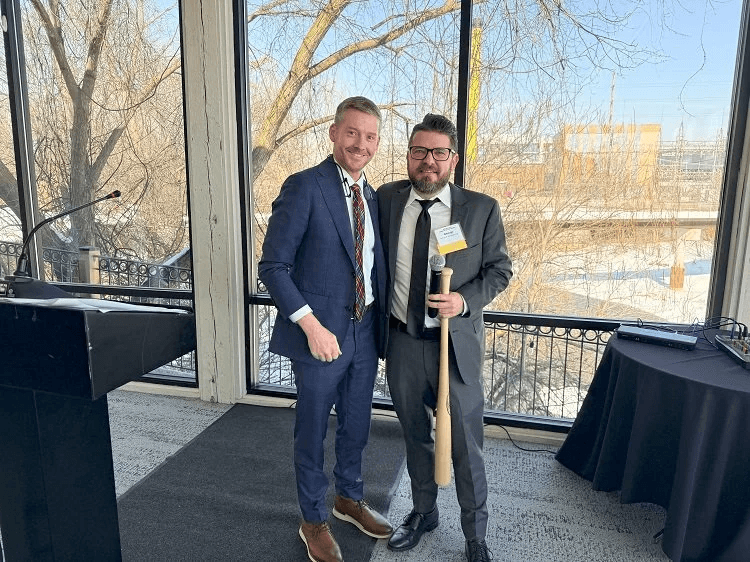
Injury Rights Law Firm joined fellow members of the Central Ohio Association for Justice at the February 2026 Membership Luncheon, an event focused on strengthening advocacy within the legal community. The gathering highlighted professional collaboration, recognition of dedicated advocates, and ongoing dialogue about the role of the judiciary and the pursuit of justice. View the gallery to see moments from this meaningful event.
Bill Flanigan Sworn In as Justice of the West Virginia Supreme Court of Appeals
Independent coverage of Justice Bill Flanigan’s WV Supreme Court of Appeals swearing-in ceremony, including introductory remarks by George N. Sidiropolis.
JUL 31, 2026

When Insurance Delays Become Unreasonable: Knowing When to Question Your Claim
Understanding the difference between legitimate claim investigation and unfair delay can help policyholders protect their right to full compensation.
JAN 20, 2026
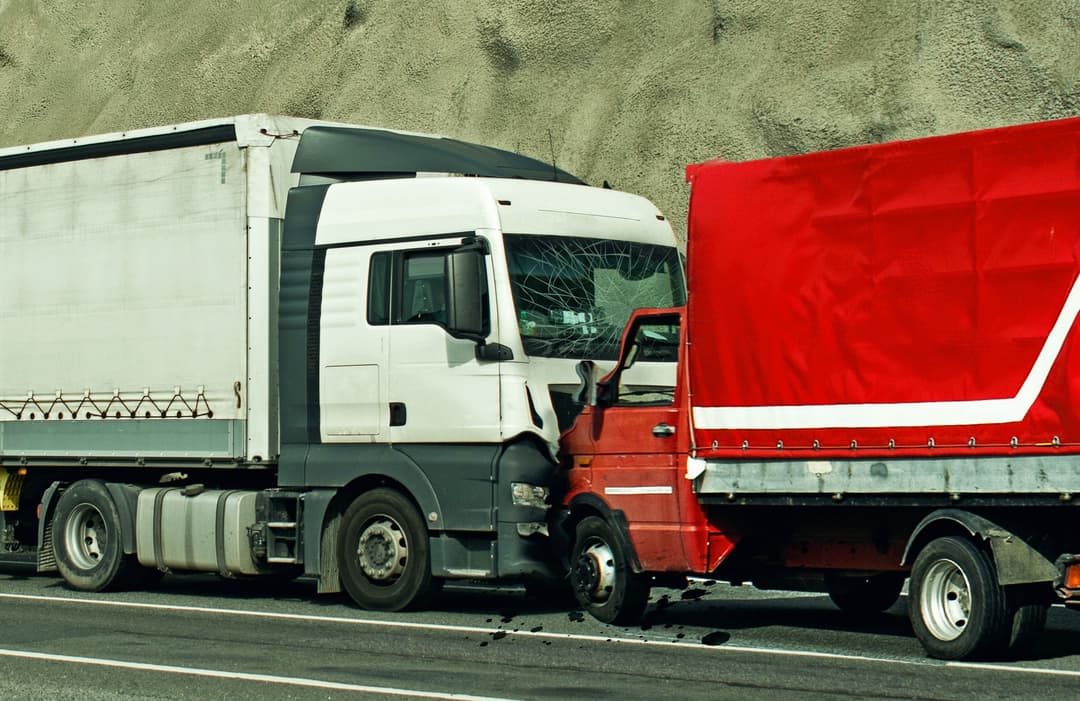
Understanding Liability in Commercial Trucking Accidents
When multiple companies share responsibility for a trucking operation, determining fault can be complex. This article examines how carrier agreements, federal safety regulations, maintenance records, and driver logs intersect in catastrophic crash litigation, shaping liability and influencing settlement strategy.
JAN 20, 2026
Ready to Discuss Your Case?
Reaching out after a serious injury or loss can feel overwhelming.
This form is simply a first step. We will tell you honestly whether we can help.